
 fi
 en
 sv
10 traffic signs every driver should know
There are hundreds of traffic signs in Finland, but some of them come up almost every day. We asked our driving instructors which signs every driver should be able to recognise and understand. Here are their answers.
1. Give way
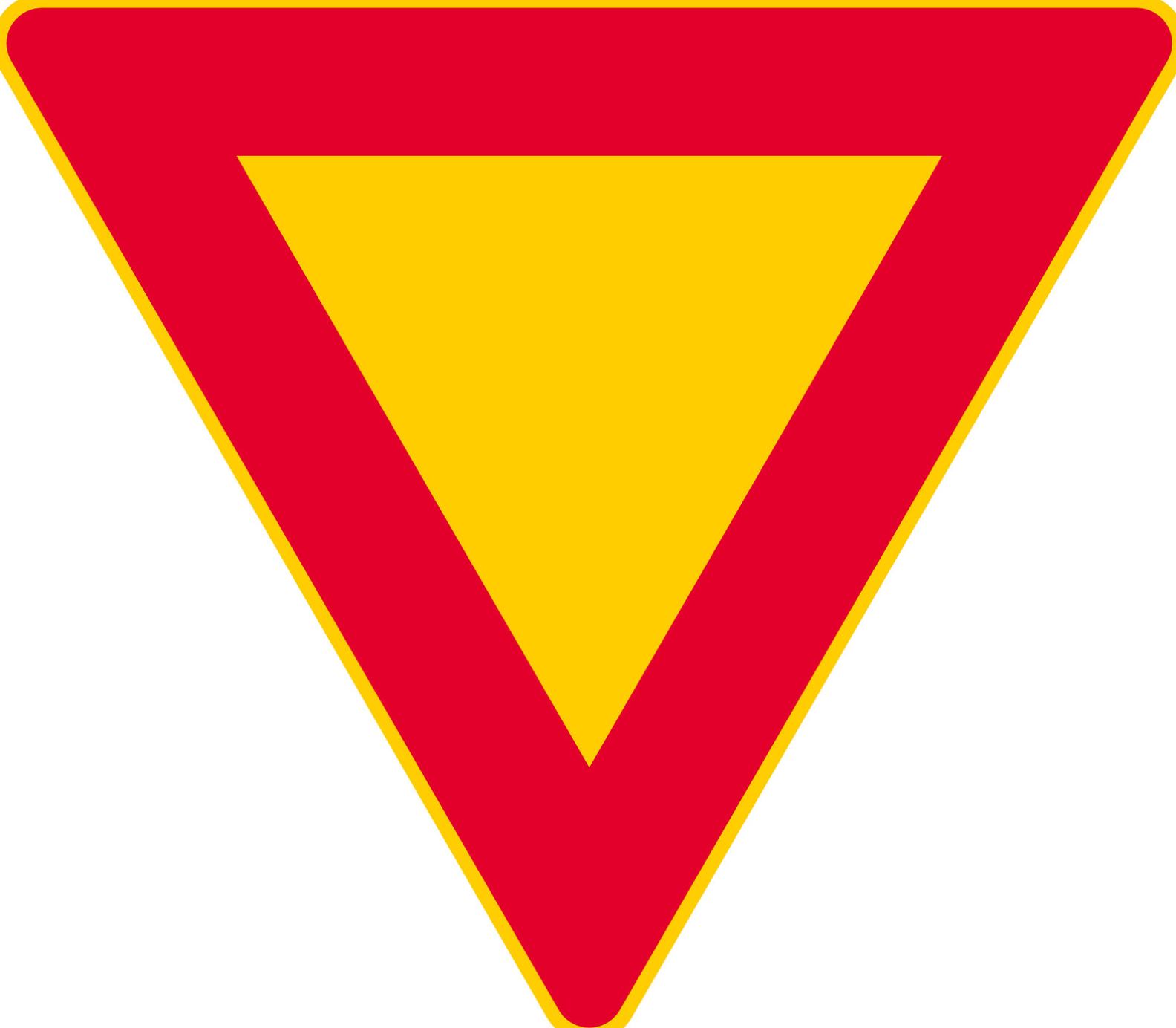
The downward-pointing triangle is one of the most important traffic signs. It changes the basic rule on who goes first at an intersection. The sign indicates that a vehicle must give way to other vehicles and trams at the intersection. The more detailed give way rules depend on your own direction of travel. The sign does not mean you have to stop, but it does require attention and judgement of the situation.
2. Stop sign
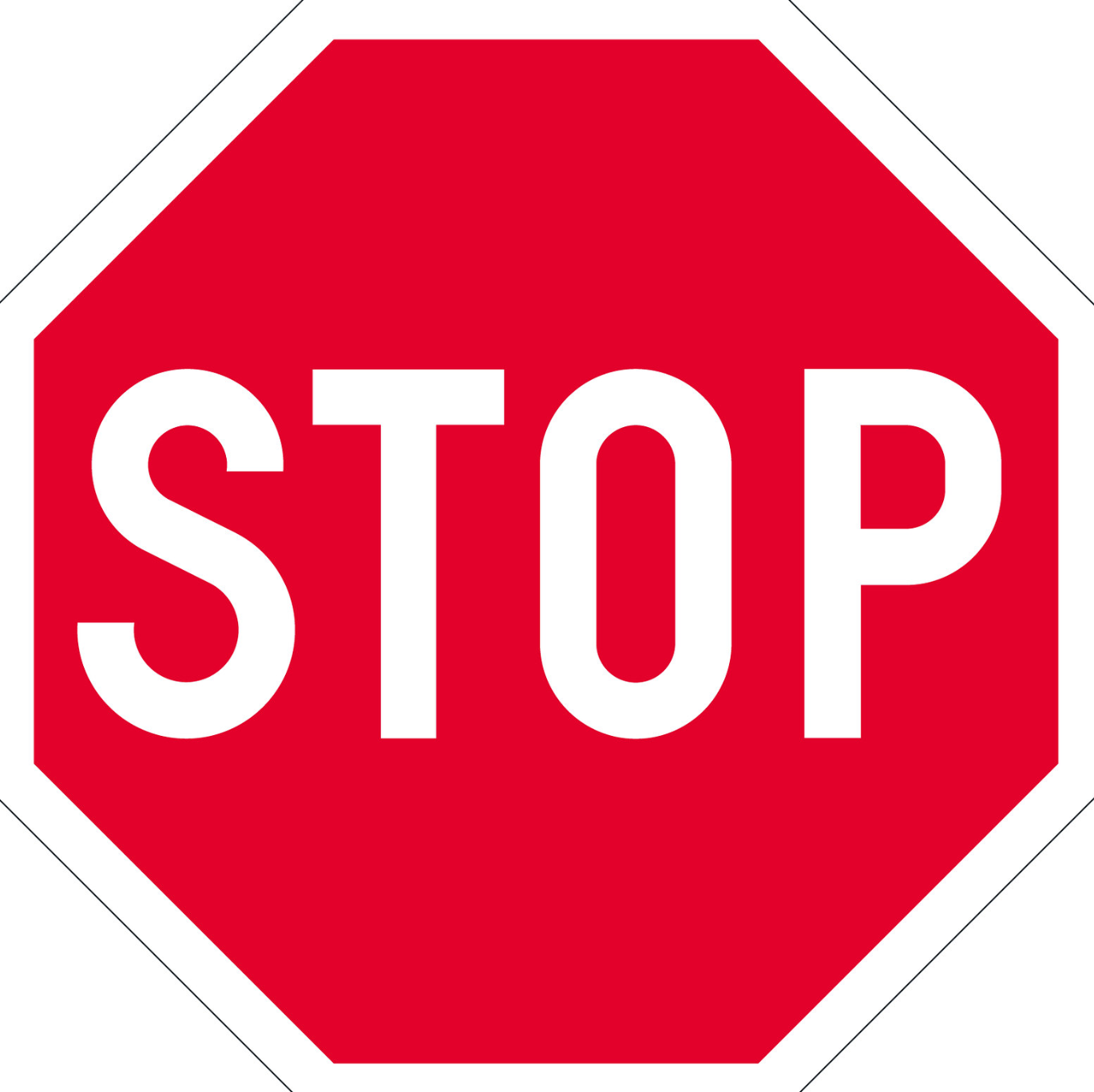
The stop sign and the give way triangle have the same give way rules. The stop sign always requires you to come to a complete stop before the intersection. Even if the intersection looks empty, the vehicle must stop completely before continuing. Failing to stop is one of the most common mistakes in the driving test. If there is a stop line with the stop sign, the vehicle must be stopped at the stop line. If there is no stop line, the vehicle must be stopped at a point with good visibility to the crossing road.
3. No entry
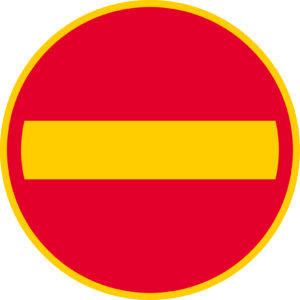
A red circle with a yellow horizontal bar means that driving in that direction is prohibited. You often see this sign at the end of a one-way street, so that drivers do not enter it from the wrong direction. Passing this sign in the wrong direction is a prohibited and dangerous mistake.
4. Speed limit
Everyone knows the speed limit sign, but applying it in practice is not always that simple. The number on the sign shows the maximum permitted speed in kilometres per hour. A speed limit always starts at the sign, so when the limit goes up, you may only speed up after the sign. When the limit goes down, you must slow down before the sign. Remember that the speed on the sign is a maximum, not a target. Weather, road conditions and different traffic situations may require a much lower speed. Every driver has a duty to drive at a speed that is safe for the conditions. Speeding is never allowed in any situation.
If there is no separate speed limit sign on the road, two general speed limits apply in Finland: 50 km/h in built-up areas and 80 km/h outside built-up areas.
5. Pedestrian crossing
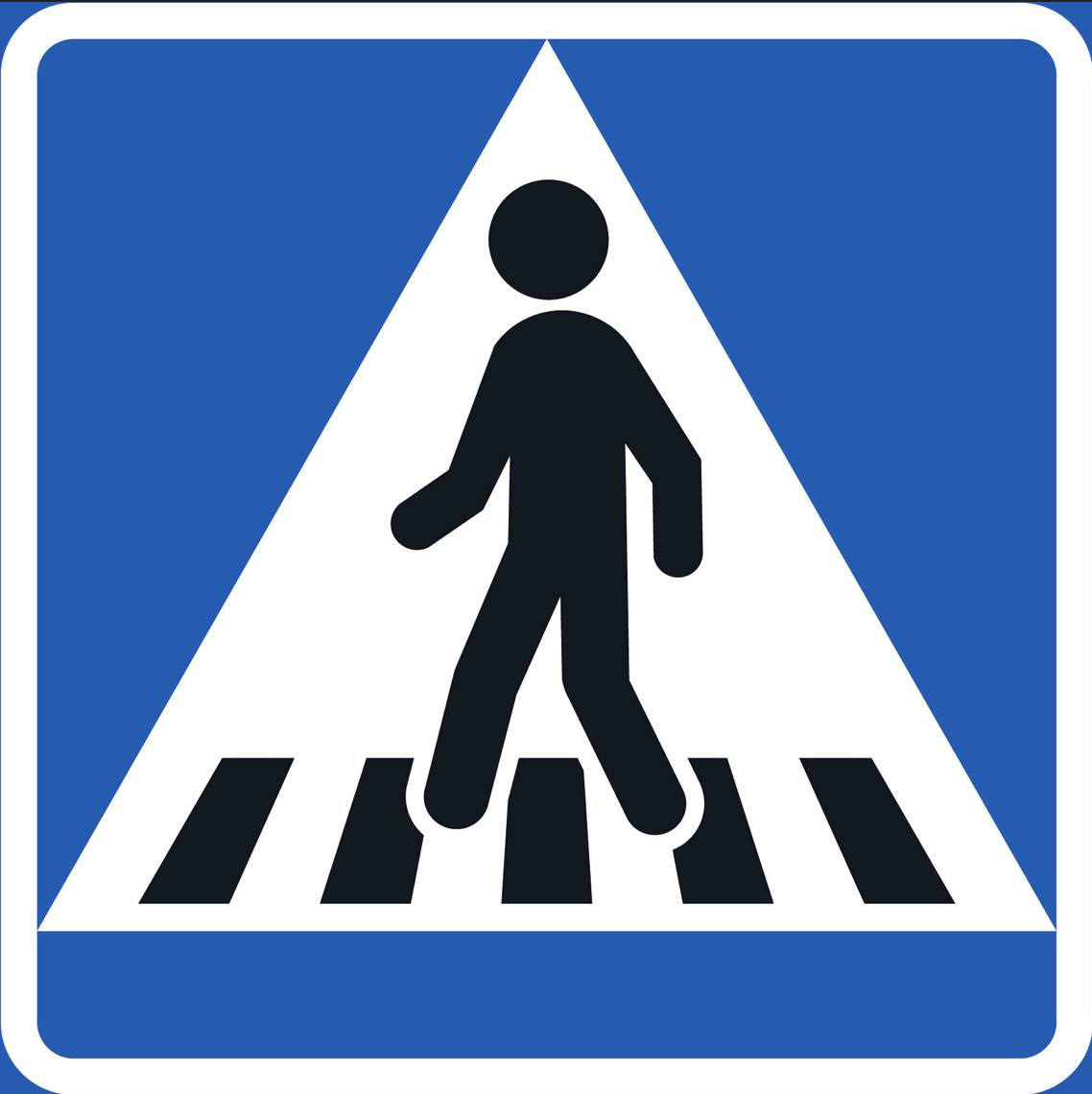
The pedestrian crossing sign reminds drivers of their duty to give way to pedestrians. A pedestrian who is on a crossing or stepping onto it must always be allowed to cross freely. This is one of the most neglected traffic rules in city traffic. It is also worth going over the crossing rules for cyclists. Take extra care when you see this sign. Under the Road Traffic Act, a driver must give unobstructed passage to a pedestrian who is on a pedestrian crossing or about to step onto it. A person walking a bicycle is also considered a pedestrian.
6. Mandatory direction
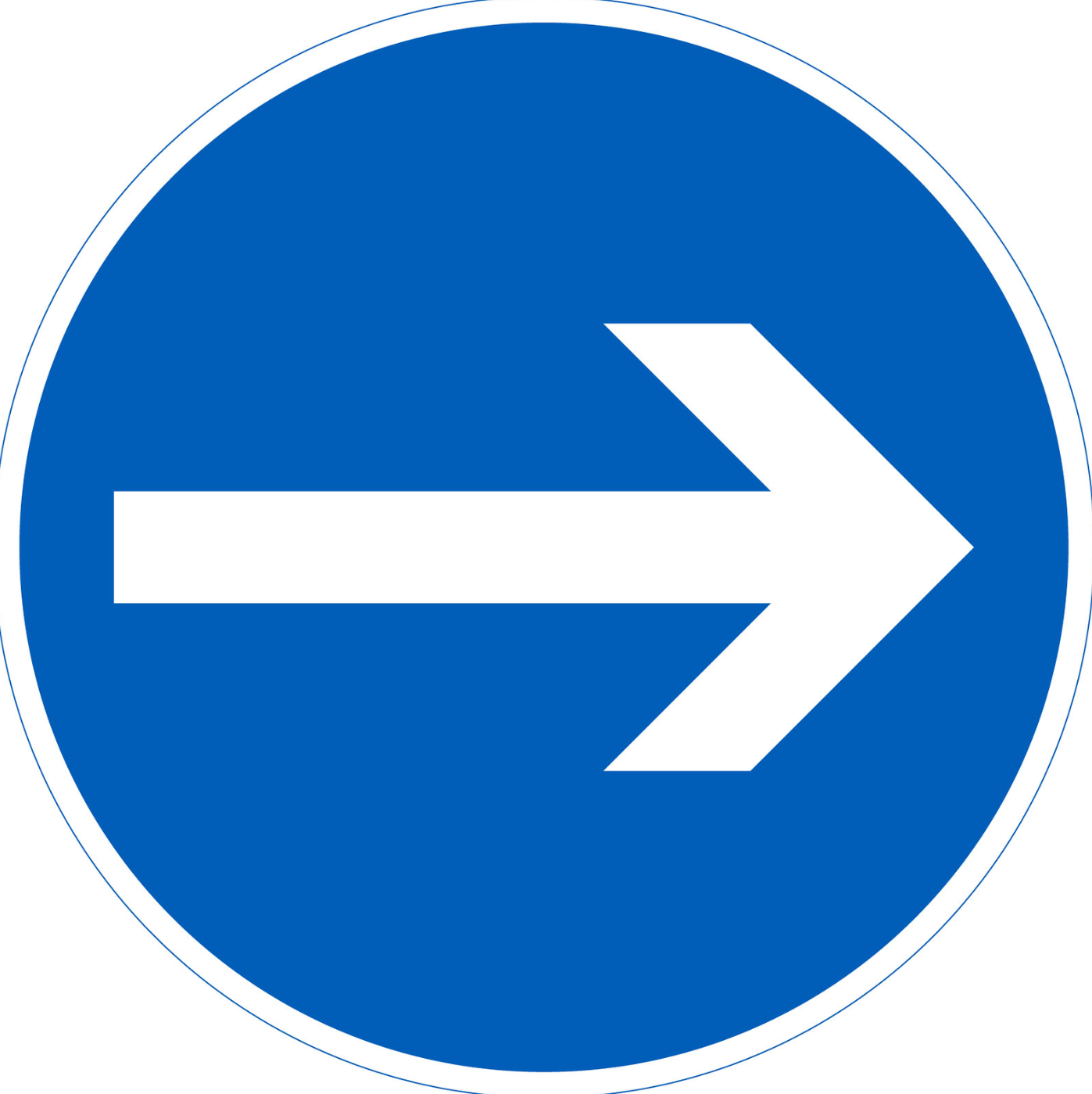
These signs show the directions vehicles are allowed to take at an intersection. The sign changes the basic rules for driving through intersections. You will see them at roundabouts, for example, and at intersections where certain lanes direct you to drive in a specific direction.
7. No parking
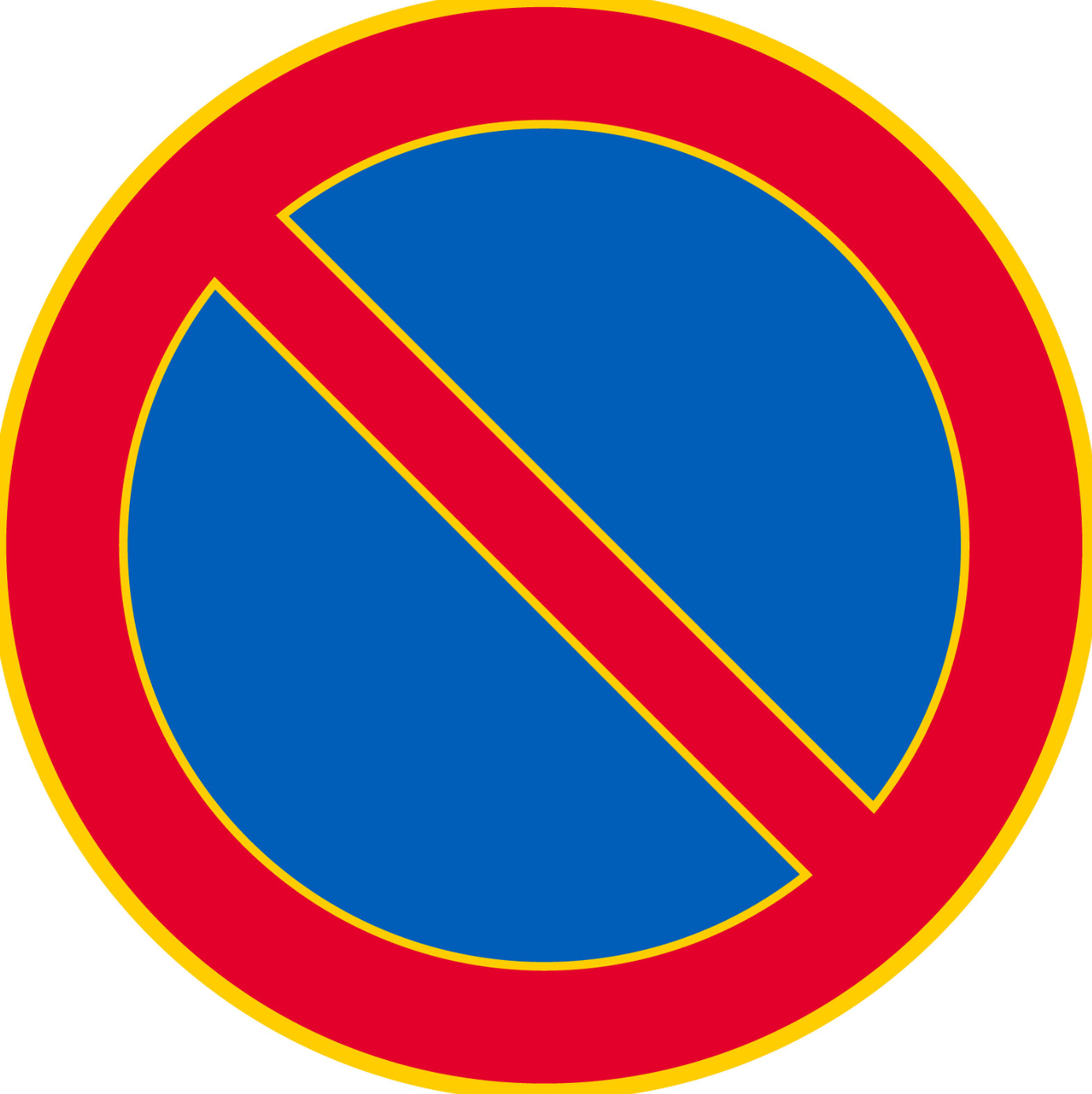
This sign prohibits parking on the side of the road where the sign is placed. A no parking sign means that you may not leave your vehicle there. Keeping a vehicle stationary even briefly counts as parking, even if the driver stays in the vehicle. Loading, unloading and picking up or dropping off passengers do not count as parking. Additional panels can limit the parking ban to certain vehicles or times of day. The no parking zone ends at the next street or road intersection. A driveway exit, however, does not end it.
8. No stopping
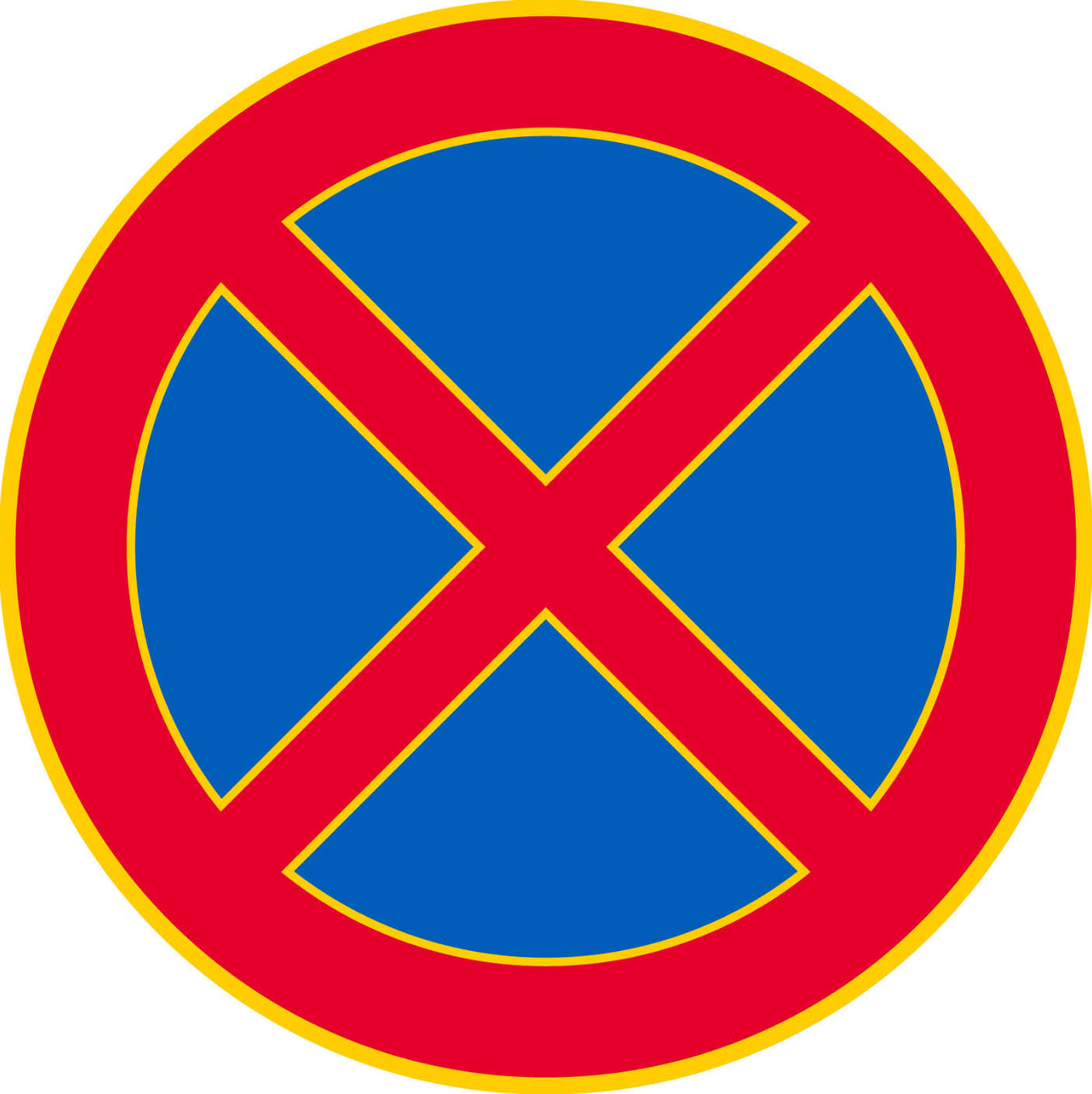
This sign prohibits stopping a vehicle on the side of the road where the sign is placed, unless you are forced to stop by traffic. The sign applies up to the next road or street intersection. Within the area covered by this sign, you may not stop your vehicle at all, not even for a moment. The sign also means no parking.
9. One-way street
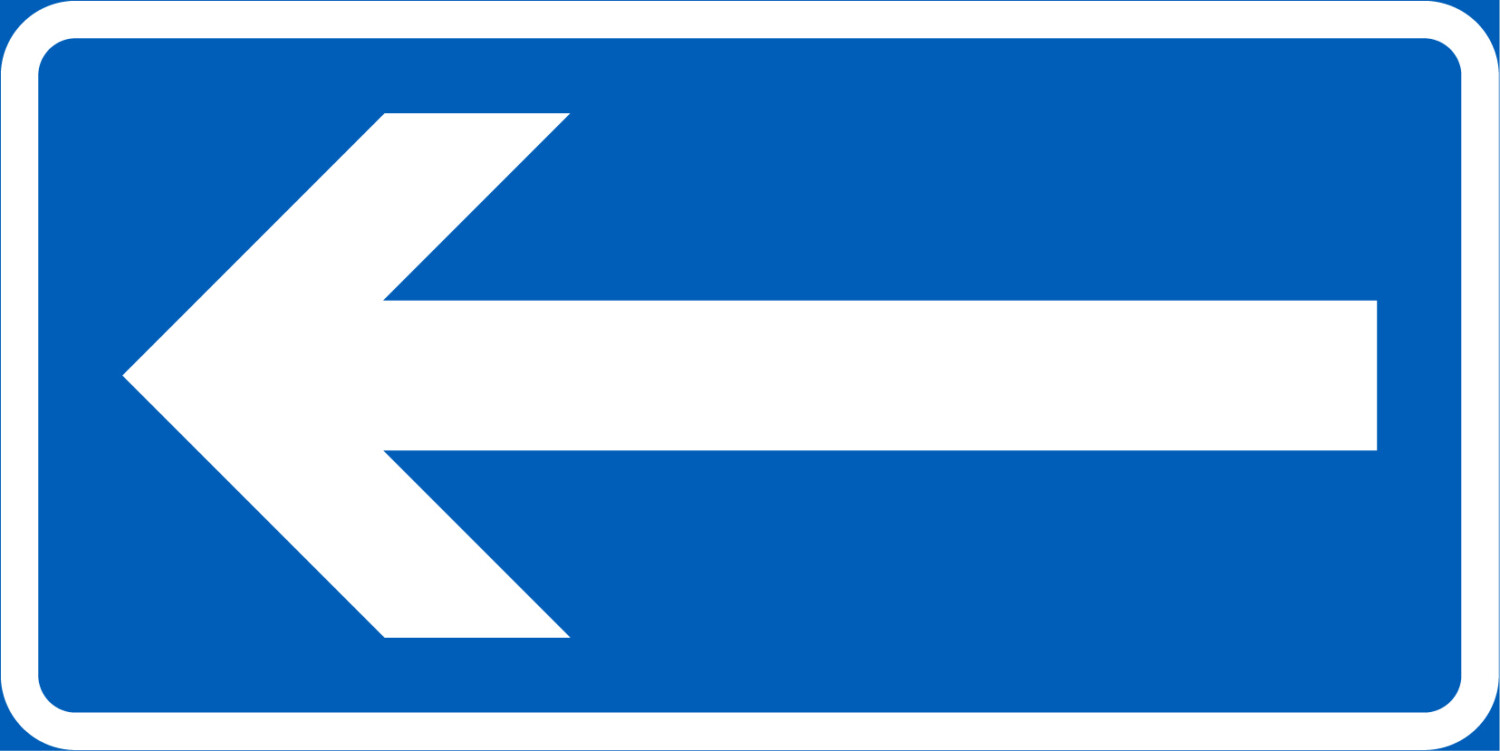
The one-way street sign tells you that you may only drive in the direction shown on the sign. Two-way cycling may be allowed on the street, so take extra care on these streets. The end of a one-way street may be marked with a sign warning that the road becomes two-way, but drivers must always check the signs of the next street at an intersection to avoid driving into oncoming traffic.
10. No motor vehicles
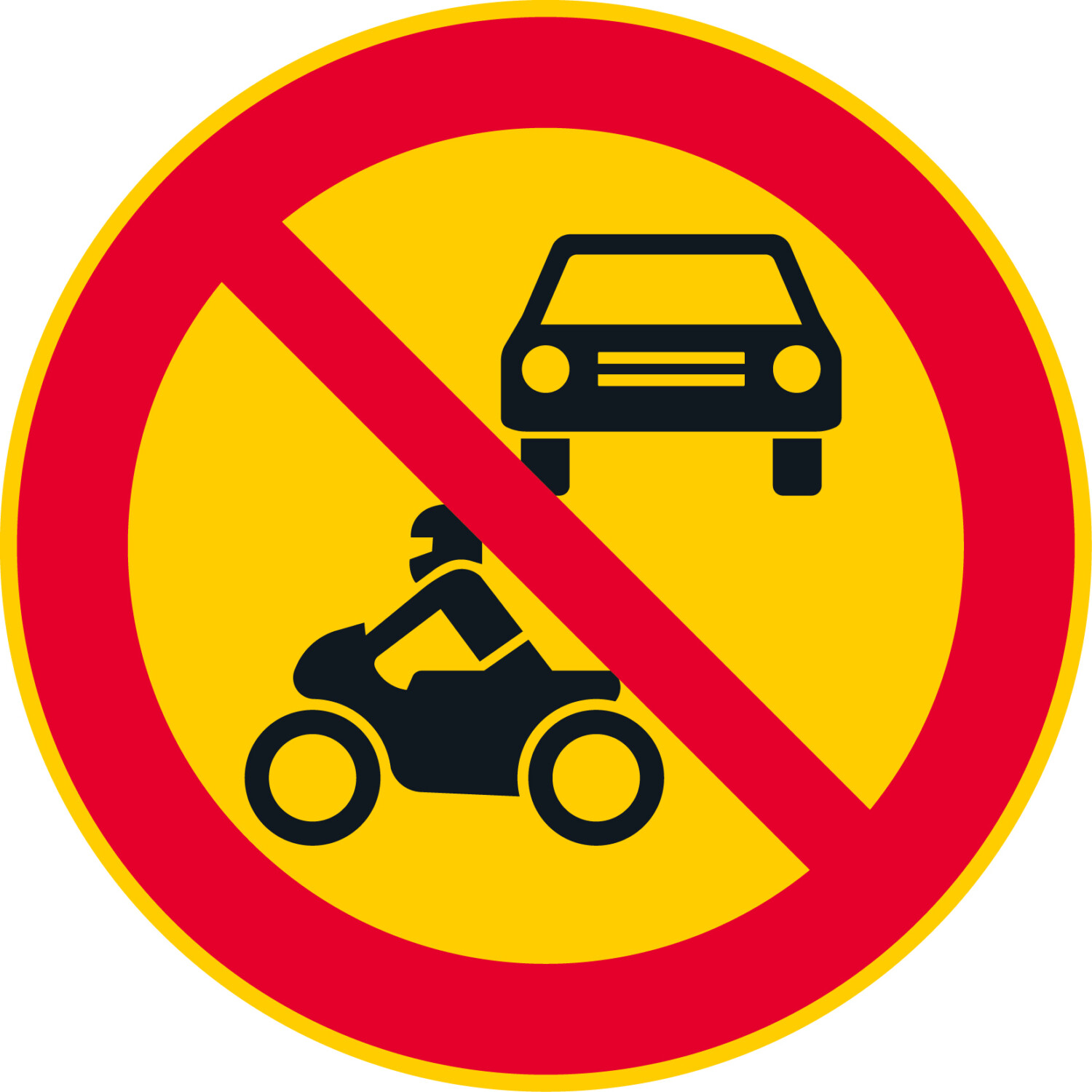
This sign prohibits all motor vehicles from driving on the road or in the area. You often see it in courtyards, pedestrian streets and parks. Cycling is, however, usually allowed. The sign may also have an additional panel that targets the ban at a specific group of road users or type of vehicle.
Summary
Knowing traffic signs is the foundation of getting your driving licence, but the most important thing is understanding what they mean in traffic. Recognising the signs is not enough, you also need to know how to apply them in different traffic situations. That is exactly what we focus on at CAP Driving School. You can learn the traffic rules and different traffic situations in our digital learning environment and, of course, in driving lessons with your own instructor.
The Turva and VIP courses also include a practical theory test session with an instructor, where you go through the test together and build confidence before the big day.
Want to learn the traffic signs and drive safely? Explore our courses and sign up!